

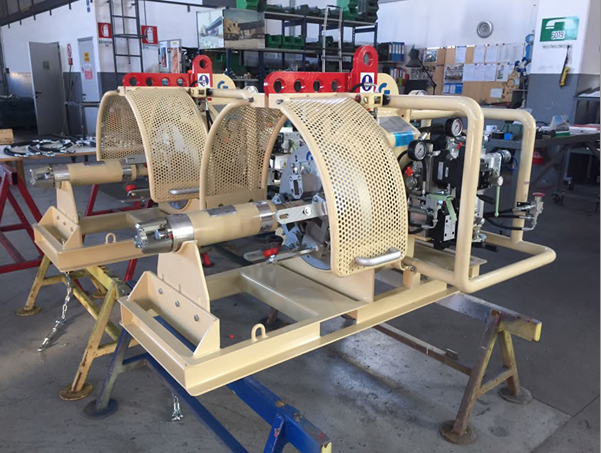
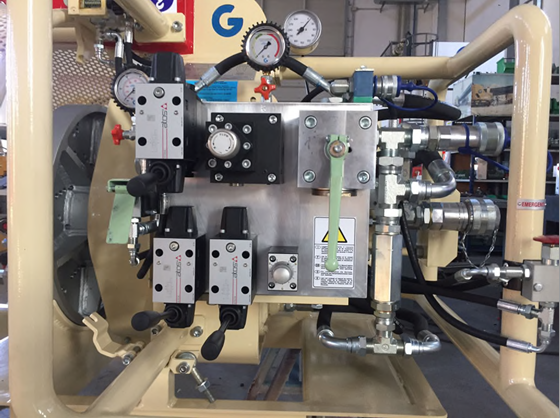
PFM 06”-10” SHORT PFM FUNCTIONAL MANUAL
Related products
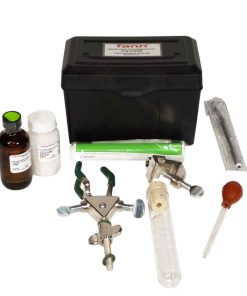
The Fann Aniline Point Test kit is used in the determination of the aniline point of petroleum products and hydrocarbon solvents, such as diesel oils and mineral oils used in preparation of oil-based drilling fluids. This method is suitable for transparent liquid samples having an initial boiling point above room temperature and where the aniline point is below the bubble point and above the solidification point of the aniline-sample mixture. This procedure is similar to Method A of ASTM: D611-82 (1982) and IP: 2/76 (1976).
Ordering Information
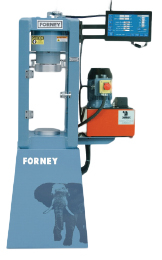
Part No. 102541081— Automated Compressive Strength Tester, 115 Volt Part No. 102540896— Automated Compressive Strength Tester, 230 Volt
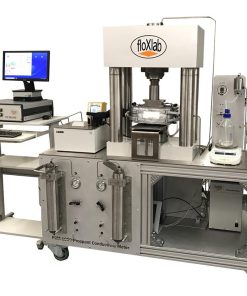
Proppant pack conductivity with brine and gas Several API cell configuration available ( single ,multi API cell)
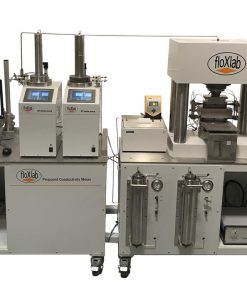
Fully automated apparatus Perform both short term and long term conductivity tests Achieved any desired closure stress Simulates leak off, and therefore accounts for damaging effects of fracturing fluids
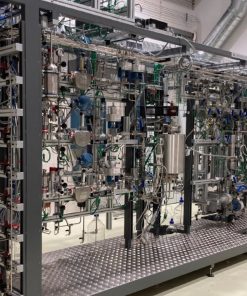
Vinci Technologies provides stat of the art testing tools to investigate operation and performance of new high efficient catalysts capable of biomass co-processing to high added value liquid. Thanks to Vinci Technologies versatile design, accurate catalyst activity investigation can be carried out, to optimize development active and selective catalyst.
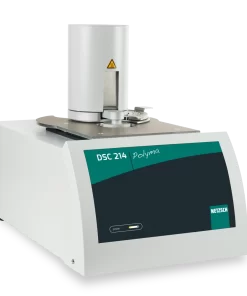
Easy-to-use, robust, precise, optimized for everyday use – these are the features of the innovative DSC 214 Polyma. The unique design of this instrument encompasses everything needed for successful DSC investigations – regardless of whether the user is a beginner or an experienced professional. Above all, it is the two new software developments that are setting new standards: AutoEvaluation and Identify.
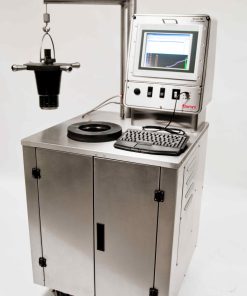
- Safely allows the operator to run tests longer than 12 hours
- Wide LCD touchscreen
- Linux-based OS with new User Interface for a more userfriendly atmosphere
- Can be remotely operated using FannOne Software (our latest software development)